
Titanium Ring Grades: Ti-6/4 (Grade 5), Ti-6/6/2, and Pure Titanium Explained
We manufacture jewelry in three grades of titanium: aircraft-grade Ti-6/4 (also known as Grade 5 titanium), extra-hard Ti-6/6/2, and commercially pure Ti-999. Learn more about the gold and platinum we use as inlays in our rings. Titanium is a superior metal for jewelry making because it will never tarnish and is 100% compatible with the human body — it won't cause allergic reactions, skin irritation, or discoloration of any sort, regardless of grade. That makes it the ideal metal for anyone with sensitive skin, and especially for people managing a nickel allergy.
- Ti-6/4 - Aircraft grade titanium alloy (6Al/4V)
- Ti-6/6/2 - Extra-hard titanium (6Al/6V/2Sn)
- CP - Commercially Pure Titanium (Ti-999)
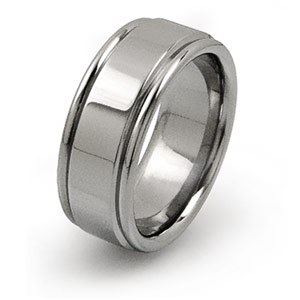
Aircraft Grade Titanium Ti-6/4.
Aircraft-grade Ti-6/4 — known industry-wide as Grade 5 titanium — is significantly harder than pure titanium and far harder than traditional jewelry metals, resisting wear about three times better than commercially pure grades. The alloy is 90% titanium, 6% aluminum, and 4% vanadium, with a tensile strength up to 150,000 psi and a Brinell hardness of 330 — numbers that translate directly into a ring that holds its shape and finish through daily wear.
Especially Hard Airspace Titanium Ti-6/6/2.
Ti-6/6/2 is the hardest titanium alloy we offer and roughly 130% stronger than Ti-6/4, which makes it the grade we recommend most for tension-set rings that need to hold a stone securely under everyday pressure. It's 86% titanium, 6% aluminum, 6% vanadium, and 2% tin, with a tensile strength up to 180,000 psi and a Brinell hardness of 389.
Every ring in our collection is also available in Ti-999, 99.9% pure titanium. It's softer than the aircraft-grade alloys but still far more durable than gold, silver, or platinum, and its extra pliability makes it easier to shape — a practical option for anyone who prioritizes workability over maximum hardness.
If long-term wear and resistance to bending or denting matter most, Ti-6/4 or Ti-6/6/2 are the stronger choices — Ti-6/6/2 especially for tension-set designs. If you'd rather prioritize a slightly softer, more workable metal at a lower cost, Ti-999 still outperforms traditional jewelry metals while remaining easy to size and finish.
In short: Ti-6/4, also called Grade 5 (90% Ti, 6% Al, 4% V), offers 150,000 psi tensile strength and 330 Brinell hardness, best for everyday rings that need a strength upgrade over pure titanium. Ti-6/6/2 (86% Ti, 6% Al, 6% V, 2% Sn) offers 180,000 psi tensile strength and 389 Brinell hardness, best for tension-set rings under regular pressure. Ti-999, (99.9% pure titanium), is softer than both alloys but still stronger than gold, silver, or platinum, best for wearers who want easier sizing and a lower price point.
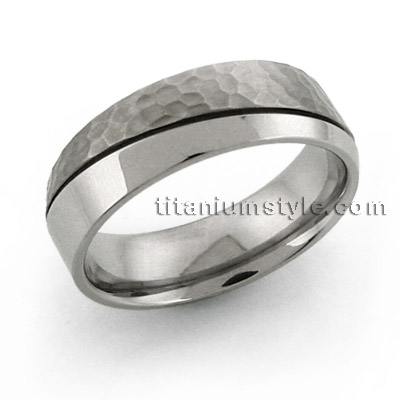
All grades of titanium are 100% hypoallergenic, not causing any allergic reactions, skin irritations or discolorations. Titanium rings are allergy free.
Can a titanium ring be removed in an emergency?
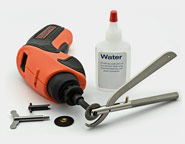
Yes. Visit our titanium ring emergency removal page for general information, or visit our ring cutter page to order the Power Ring Cutting Kit, built specifically to cut through titanium, stainless steel, cobalt, and other hard metal rings.
Aircraft grade titanium rings vs. Pure Titanium rings
Most people looking at titanium rings are drawn to the metal for its light weight, resistance to corrosion, and above all its strength. With that in mind, we recommend the higher grades — 6/4 and 6/6/2 — because they consistently test out with higher tensile strength and better resistance to demanding wear than commercially pure titanium.
Aircraft-grade titanium takes more labor to shape than commercially pure titanium. Grades 6/4 and 6/6/2 are costlier to source, harder on the tools used to machine them, and slower to finish and polish — all of which is reflected in their price. That extra work is part of what makes these rings genuinely good value for the craftsmanship involved.
Ti-6/6/2 in particular has a reputation for lasting. It's extremely hard and difficult to work with, which is why relatively few jewelers offer it as a ring option — but it represents the top end of titanium's strength, resisting demanding wear and holding its form and detail for a lifetime under normal use.


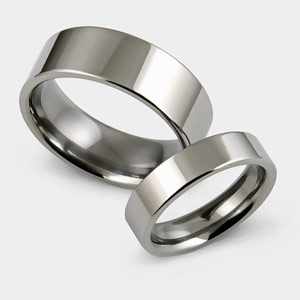
Titanium Style is an online Titanium Rings store. We specialize in custom titanium ring design, inlaid titanium rings, black ceramic rings, titanium wedding bands, chains, necklaces, bracelets, tungsten rings, and more.
1-513-520-0527
sales@titaniumstyle.com


Copyright © 1998-2026 Avant-Garde Jewelry Co, Inc. All rights reserved. | Privacy & Security