

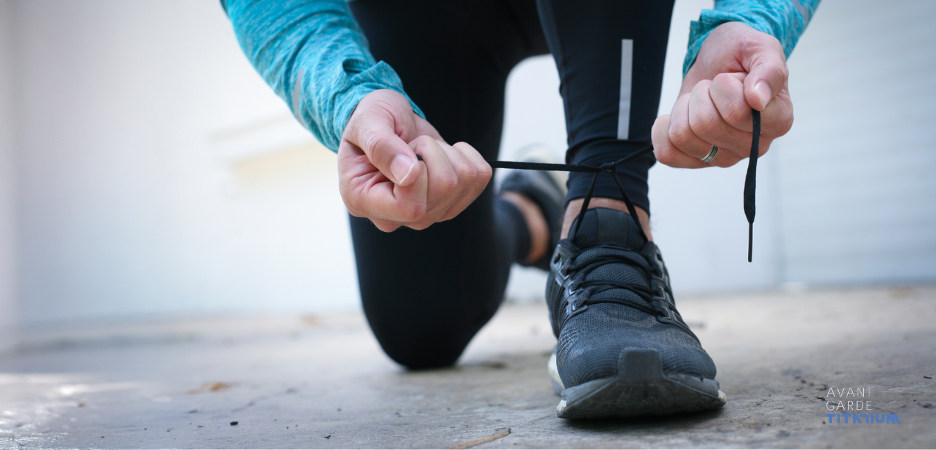
You have probably learned the hard way that not every piece of jewelry is built to keep up. A ring that scratches after one weekend at the gym. A chain that turns your skin green after a long shift. A bracelet heavy enough that you forget the task and start noticing the jewelry instead. Style that fights you is style you stop wearing.
Titanium jewelry handles those problems at the material level. It is lightweight, scratch-resistant, and hypoallergenic — three traits that line up almost perfectly with what an active life asks of a ring, a chain, or a bracelet. You get design that stays on the hand, wrist, or neck through workouts, trail miles, water, sweat, and the thousand small bumps of daily life.
The sections below cover why titanium holds up, how it compares to gold, silver, platinum, and stainless steel, which finishes suit which activities, and the questions shoppers ask most often before they commit. Call it a buyer’s read for anyone who plans to wear the piece, not just keep it in a box.
How Titanium Compares to Other Metals
How does titanium hold up next to the metals you probably already own? Here is the side-by-side on what matters most for an active wearer: weight, scratch resistance, tarnish resistance, skin comfort, and how well each metal fits into a daily routine.
| Metal | Weight | Scratch Resistance | Tarnish Resistance | Skin-Friendly | Active-Wear Fit |
|---|---|---|---|---|---|
| Titanium | Light | Excellent | Yes | Yes (nickel-free) | Yes |
| Gold | Heavy | Poor | Moderate | No (white gold) | Low |
| Silver | Light | Poor | No | Sometimes | Low |
| Platinum | Heavy | Good | Yes | Yes | Moderate |
| Stainless Steel | Medium | Good | Moderate | No (contains nickel) | Moderate |
Titanium’s sweet spot for an active wearer is pretty clear. You get the comfort of a lighter metal, the durability that holds up to daily wear, and the skin-friendly peace of mind that many other metals cannot promise. Gold and platinum still win if you want that classic precious-metal shine, but if you care more about a piece that keeps pace with workouts, water, and a hands-on day, titanium is a very hard metal to beat.
Built to Take Daily Wear Without Losing Its Finish
Titanium has one of the best strength-to-weight ratios of any metal used in jewelry. Put differently, it takes a real impact to leave a visible mark — the kind that would dent or deform softer metals like gold or silver. Titanium holds its shape through workouts, yard work, and the small impacts of shared keys, doorknobs, and gym equipment.
That same hardness protects the finish, not just the shape. A softer metal picks up tiny scratches almost constantly, and those marks compound into a dull, roughed-up look within a season or two of active wear. Titanium resists that everyday accumulation well. Scratches can still happen. No metal is invincible. But titanium’s hardness keeps the surface looking intentional rather than beat-up.
None of this means titanium is scratch-proof. It resists scratches well, but it is not indestructible. Catch a band edge on concrete the wrong way and you will see it. The difference is that a titanium piece generally still reads as clean jewelry after that scrape, where a softer metal reads as damaged.
Lightweight Comfort You Forget About All Day
Titanium is about 40 percent lighter than steel and significantly lighter than gold or platinum. In practical terms, a titanium ring of the same visual size as a gold ring wears like a whisper on the finger. A titanium bracelet sits without the pull or slide of a heavier chain piece. Titanium jewelry is easy to forget you are wearing, which is the highest compliment you can pay a piece of everyday jewelry.
You feel the difference in small, constant moments. Typing for eight hours. Gripping a steering wheel. Loading kettlebells. Carrying a toddler on one hip. A heavier ring starts to feel like a task, while a lightweight titanium ring disappears into the motion. For active wearers, that is the difference between jewelry that stays on and jewelry that gets pulled off and set on a counter, where it often never makes it back on.
Beyond comfort, a light metal opens up what you can actually wear. You can pick a substantial-looking piece — a wider band, a bold chain, a stacked ring set — without the weight that usually comes with that much material. See our titanium bracelets for the clearest example of what a light wrist piece looks like in real life.
Built for Sweat, Water, and Everyday Exposure
Titanium does not rust. It does not tarnish. It does not need polishing to keep its color. That stability comes from an oxide layer: a thin, passive film that forms on the titanium surface on exposure to air and then acts as a shield against moisture, chlorine, saltwater, sweat acids, and the everyday chemistry you push through a piece of jewelry without thinking.
For the active wearer, that oxide layer is what makes titanium jewelry low-maintenance in practice. You can lift in a humid gym, run a summer trail, swim a workout, and rinse off in a shower without worrying what your ring or chain looks like at the end of it. Compare that to silver, which tarnishes visibly within weeks of that exposure, or stainless steel, which dulls over time. Titanium holds its look with almost no upkeep.
That stability is also why titanium is a solid pick for anyone around water full-time. Swim coaches, lifeguards, physical therapists who run pool sessions, divers: none of these jobs are kind to softer metals. Titanium simply keeps going. If you want the deeper material explanation, our article on why titanium does not rust walks through the oxide chemistry.
Kind to Sensitive Skin and Nickel-Free by Nature
One of titanium’s underrated properties: it is hypoallergenic. Pure titanium jewelry contains no nickel, which is the most common jewelry-allergy trigger on record. According to the American Academy of Dermatology, nickel is the single most frequent cause of allergic contact dermatitis from jewelry worn in the U.S. Titanium sidesteps that problem entirely.
Biocompatibility is why titanium is used in surgical implants and medical devices. If a material is cleared to sit inside the human body for decades, wearing titanium jewelry on the outside is a low bar. For anyone with sensitive skin, this matters during the moments that matter most: long sweaty workouts, hot summer days, humid travel, gym showers. Other metals react with sweat and moisture on the skin. Titanium does not.
This is the daily wear case for titanium jewelry: a material that stays comfortable against skin for hours. If the hypoallergenic benefit is the main reason you are looking at titanium, our deeper guide to the health benefits of titanium jewelry covers the material science and medical sourcing in more detail.
Finish Options That Match Your Style
Titanium jewelry offers real visual variety. Brushed, satin, and sandblasted finishes create matte surfaces that hide small scratches and look intentional with workwear or athletic wear. A high-polish finish reflects light sharply and reads dressier for events or office settings. Hammered textures give a piece artisanal character that pairs well with casual and outdoor styling.
For an active wearer, finish is not just aesthetic. A sandblasted or brushed finish is practically forgiving: micro-wear blends into the surface pattern rather than standing out as a scratch. A polished finish shows every mark more clearly. That does not make polished worse for active use — many wearers love the way a titanium piece evolves with their life — but it changes what you see after six months of wear.
If you want a full read on how each finish behaves, our guide to titanium ring finishes covers the differences in depth. What matters for this article: titanium gives you options that hold up visually to the way you actually live, whether that is polished for dress occasions or sandblasted for the everyday.
Why Titanium Rings and Bands Work for Active Wear
Titanium jewelry is built on a simple match between material properties and what an active life demands of a piece of jewelry. A ring that does not dent under impact. A chain that does not tarnish in sweat. A bracelet that does not weigh down a working wrist. A wedding band that stays comfortable across a long day. Every property lines up.
For couples especially, titanium wedding bands are a practical choice. The symbolism of a wedding band is that it stays on, day after day, whatever you are doing. A lightweight, scratch-resistant, hypoallergenic band does that job better than a gold or platinum equivalent at a fraction of the weight. You can swim, lift, climb, or build wearing a titanium band without the constant low-grade anxiety that you are slowly wrecking expensive jewelry.
For single daily wearers, the same logic holds. Titanium rings for workouts, titanium chains for layering under a shirt, titanium bracelets that move with the wrist — all of it is material that was always meant to be worn, not preserved. If you have been pulling off a ring before every workout, titanium is the upgrade that ends that habit.
Frequently Asked Questions
Is titanium jewelry good for working out?
+
Does titanium jewelry rust or tarnish?
+
Can you shower with titanium jewelry?
+
Are titanium wedding bands good for active couples?
+
Find Titanium Jewelry Built for Your Life
At Avant-Garde Titanium Style, we design titanium jewelry around the way people actually wear it — through workouts, long shifts, daily motion, and the small impacts of a hands-on life. Comfort, durability, and skin-friendly fit are the baseline, not the upgrade.
Explore our Classic Titanium Rings collection for pieces built to hold up to everything you do. Take your time with the profiles and finishes, and pick the one that fits your style and your schedule.
About the Author: Titanium Style
